




Ons team heeft meer dan 7,000,000 handelaren!
Elke dag werken we samen om de handel te verbeteren. We behalen hoge resultaten en gaan verder.
Erkenning door miljoenen handelaren over de hele wereld is de beste waardering voor ons werk! U heeft uw keuze gemaakt en wij zullen er alles aan doen om aan uw verwachtingen te voldoen!
Wij zijn samen een geweldig team!
InstaSpot. Trots om voor je te werken!





Acteur, UFC 6-toernooikampioen en een echte held!
De man die zichzelf heeft gemaakt. De man die onze kant op gaat.
Het geheim achter het succes van Taktarov is een constante beweging naar het doel.
Onthul alle kanten van je talent!
Ontdekken, proberen, falen - maar nooit stoppen!
InstaSpot. Je succesverhaal begint hier!

A sharp increase in the likelihood of a Federal Reserve rate cut in December and the de-escalation of the geopolitical conflict in Eastern Europe have allowed EUR/USD bulls to go on the offensive. After a continuous six-day decline, the main currency pair has regained its footing. Credit for this shift goes to John Williams, President of the Federal Reserve Bank of New York, and the proposed 28-point U.S. plan for achieving peace in Ukraine.
According to ING, we have been in this situation several times before, but this time the pain from economic sanctions is prompting Russia to move toward ending the armed conflict. Estimates from Reuters suggest that Moscow's oil and gas export revenues will fall by 35% this November compared to the same period last year, to $6.59 billion, due to the strengthening ruble and declining Brent and WTI prices.
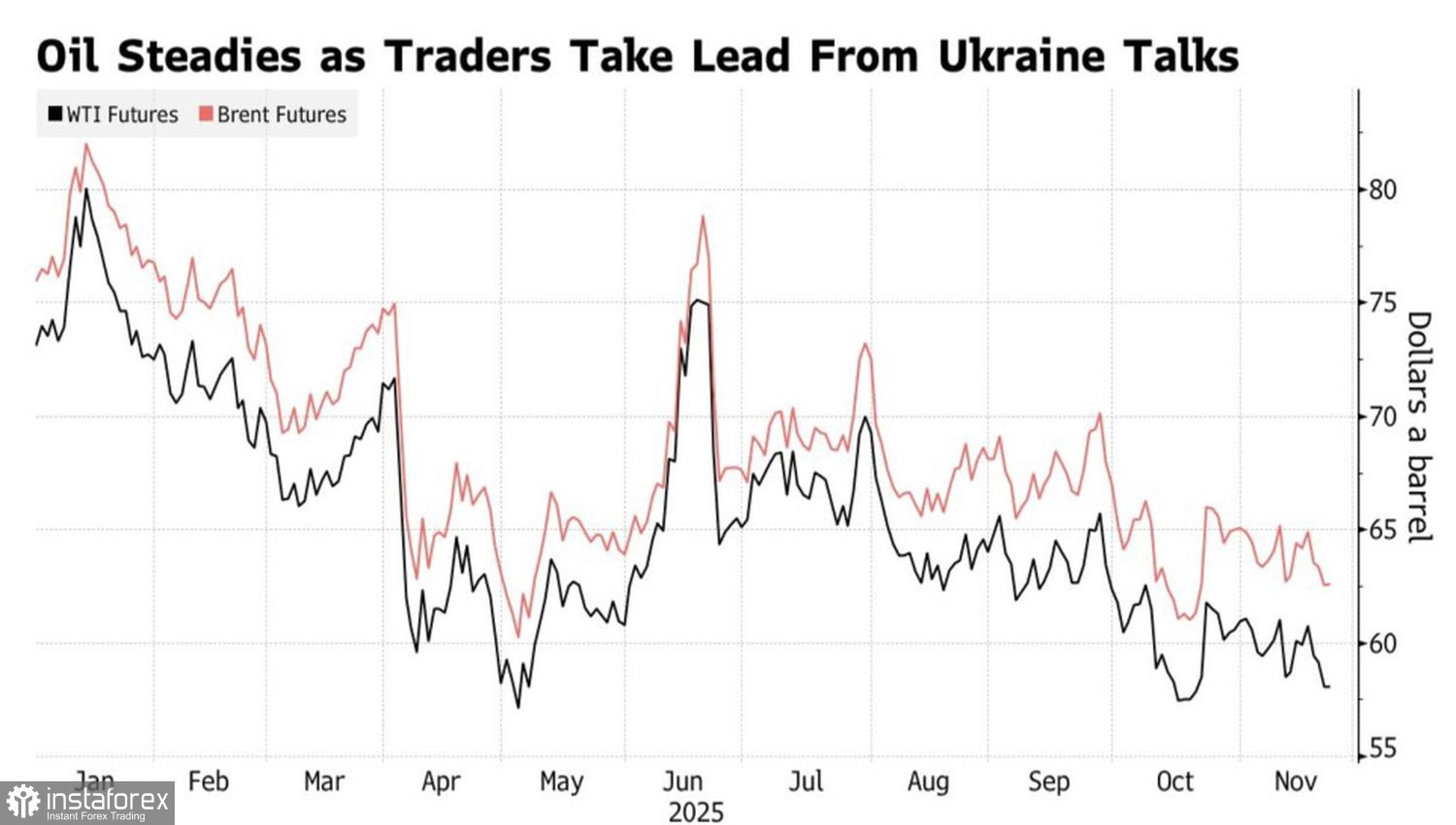
For the oil market, peace in Ukraine is a significant event. Oil has struggled to find direction. The displacement from the market of the largest producer threatened to raise prices, while weakened global demand and a move toward a record surplus in 2026 created a basis for price reductions.
For the eurozone, as a net oil importer, the decline in Brent and WTI prices is good news. Similarly, it benefits the euro and the currencies of Eastern European countries. The diminishing geopolitical risks are starting to have a positive effect on the exchange rates of the Polish zloty, Czech koruna, and Hungarian forint.
Belief in a peaceful resolution to the armed conflict in Ukraine is not the only driver of the EUR/USD rally. Shortly after John Williams, President of the New York Fed, stated that a rate cut could be on the horizon, the odds of such an outcome skyrocketed to 75%. Just after the release of the FOMC's October meeting minutes, these odds had plummeted below 30%. The market was confident in a pause, and then came this news! December is once again becoming the base scenario, and in this context, the U.S. dollar has little choice but to decline.
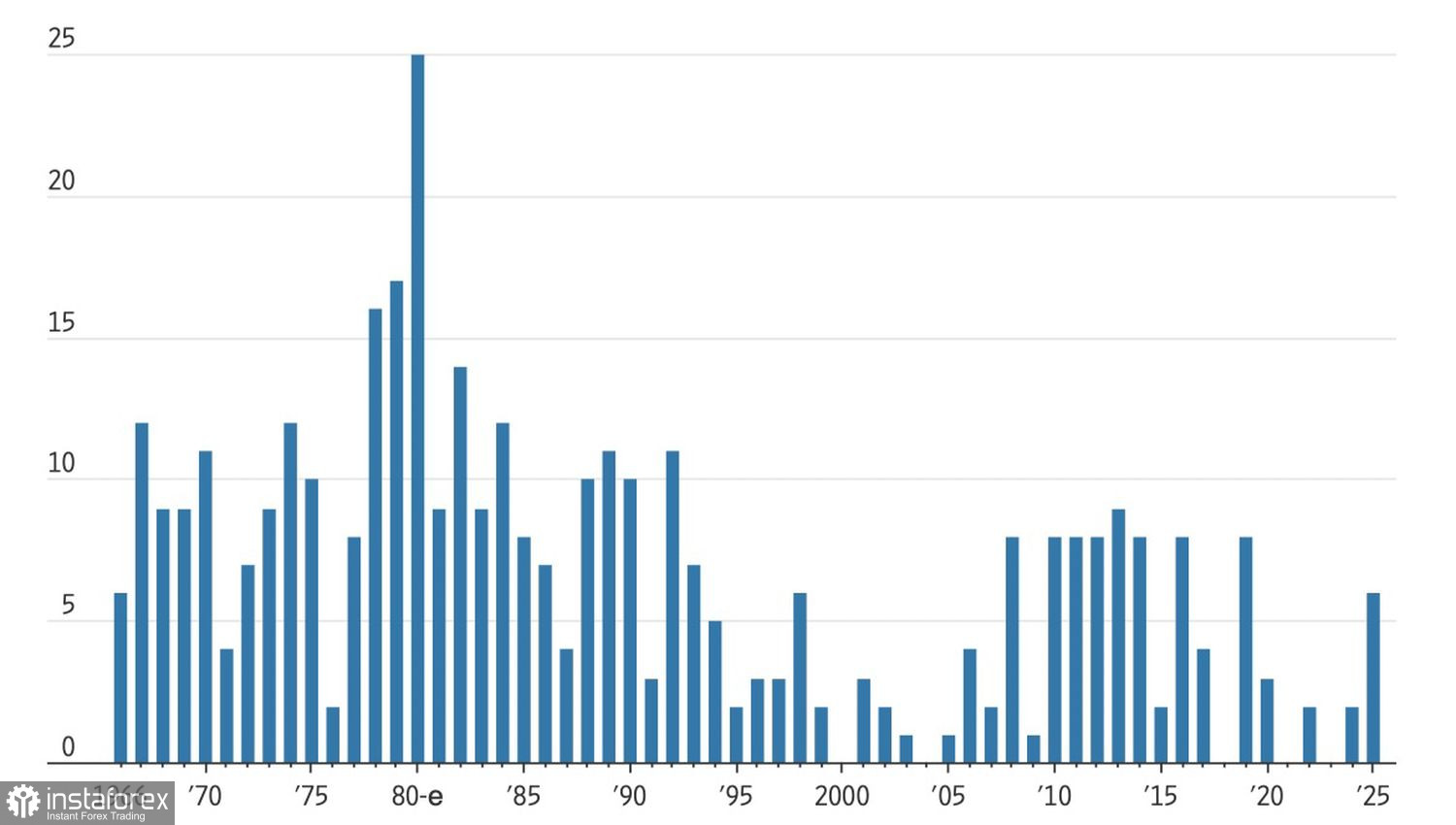
Even if Jerome Powell and his team do not lower rates by year-end, they are likely to adopt a "dovish" rhetoric to regain order within the Fed. Historically, there have been few dissenting opinions regarding the central bank's verdicts. In December, there may be three or more dissenters, and the likelihood of a loosening of monetary policy in January has jumped to 83%.
In such conditions, the attack on USD/EUR could be more vigorous; however, something is holding back the euro. Is there uncertainty regarding a peace agreement concerning Ukraine?
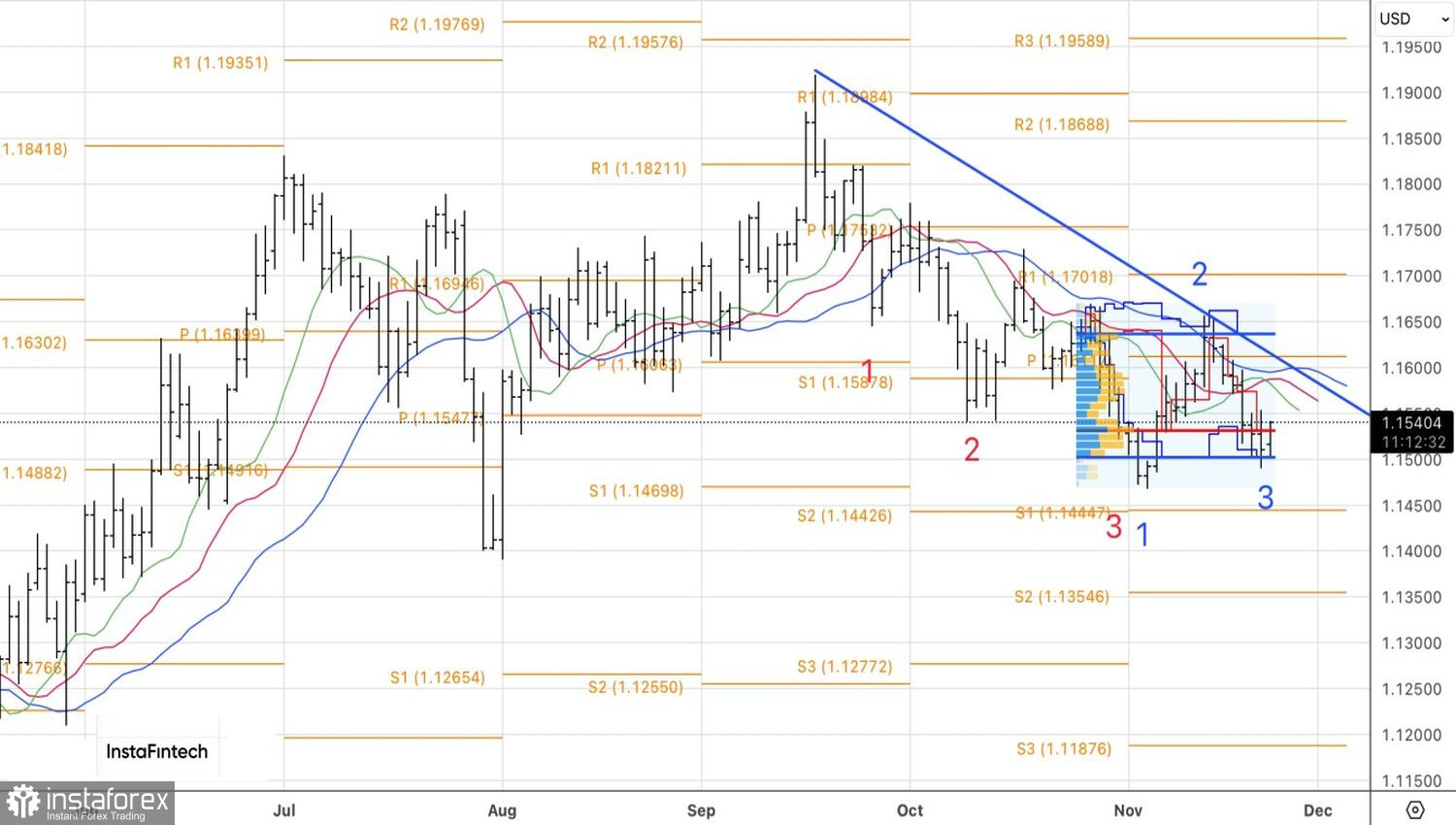
From a technical perspective, the daily chart of the main currency pair showed a return to the fair value range of 1.1535-1.1640. This has allowed long positions to be formed. It makes sense to hold onto these positions and to periodically buy EUR/USD in hopes of a recovery in the upward trend. Breakouts above the resistance levels at 1.1550 and 1.1585 may trigger new long positions.
*The market analysis posted here is meant to increase your awareness, but not to give instructions to make a trade.
InstaSpot analytical reviews will make you fully aware of market trends! Being an InstaSpot client, you are provided with a large number of free services for efficient trading.


