




Naš tim čini više od 7.000.000 trgovaca!
Svakog dana zajedno radimo na unapređenju trgovanja. Ostvarujemo vrhunske rezultate i krećemo se samo napred.
Priznatost od strane miliona trgovaca širom sveta najbolje pokazuje koliko se naš rad ceni! Napravili ste svoj izbor i mi ćemo učiniti sve što je neophodno da zadovoljimo vaša očekivanja!
Zajedno činimo sjajan tim!
InstaSpot. Sa ponosom radi za Vas!





Glumac, šampion UFC turnira i pravi heroj!
Čovek koji je ostvario sebe. Čovek koji hoda uz nas.
Tajna uspeha Taktarova jeste stalno kretanje ka svom cilju.
Otkrijte sve strane svog talenta!
Istražuj, pokušaj, padni - ali se nikad ne zaustavljaj!
InstaSpot. Priča Vašeg uspeha započinje ovde!


The valuation gap between emerging market stocks and US stocks has widened to a 20?year record, Bloomberg reports.
The MSCI Emerging Markets index trades at a forward P/E of 9.9, while the S&P 500 is above 20. That implies a discount of roughly 40–50%. Historically, the average gap has been around 25–28%.
The reasons are clear: a powerful rally in US AI-linked companies and the chronic underperformance of China and Hong Kong. Together, those two markets make up more than one-fifth of MSCI EM.
Some markets show strikingly low multiples. Turkey, for example, is just 4. Brazil is 8.2. Argentina 8.6. The Philippines is 9.5. Dubai is 9.4. For comparison, the tech sectors of Taiwan, India, and Hong Kong trade at forward P/Es of around 17–18.
"It's enough to say that the US index looks historically expensive and highly concentrated," says James Etay of Marlborough Investment Management. He believes buying MSCI EM is one way to diversify away from the US.
MSCI EM's 19% gain this year was largely driven by AI?linked companies: SK Hynix and Samsung in South Korea and Taiwan Semiconductor Manufacturing Co. But since late February, after the outbreak of the Middle East conflict, the broad emerging?market index has gained only 3%, while the S&P 500 has risen 13%.
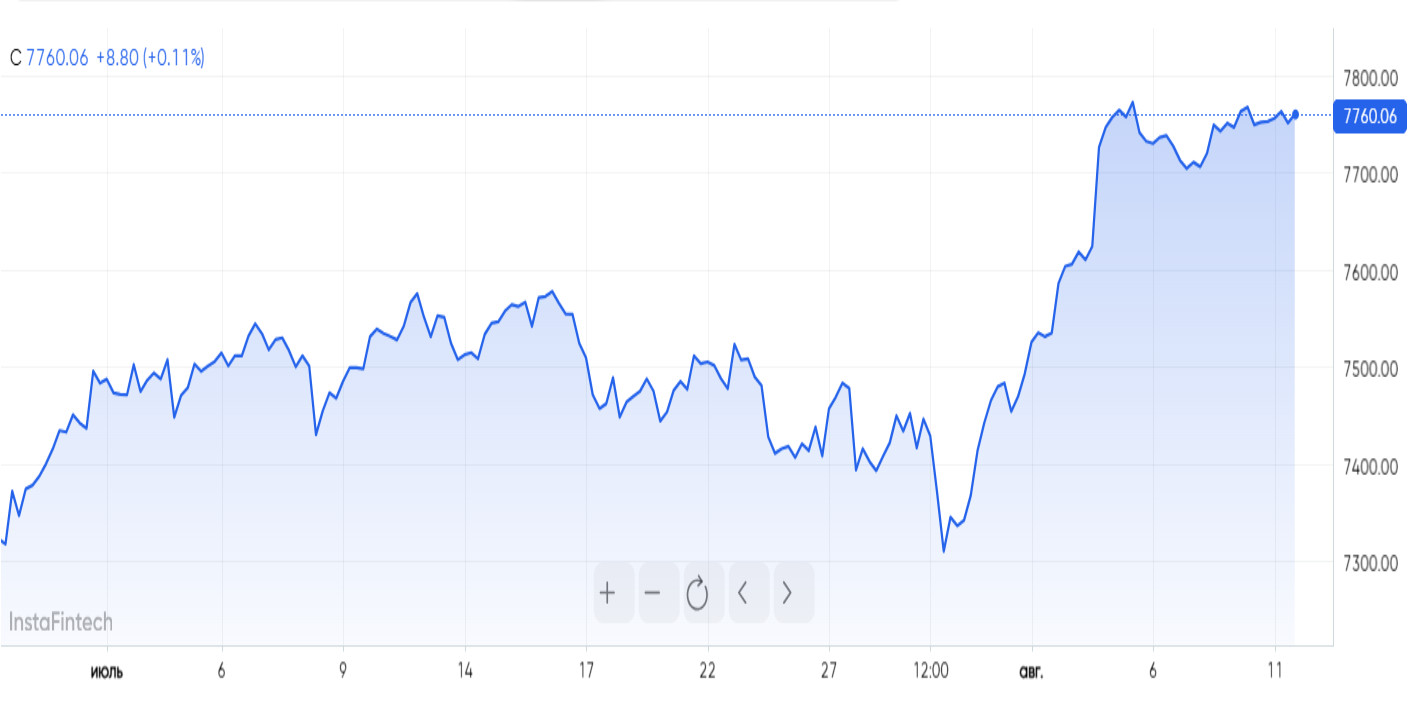
Etay says he avoids volatile Asian tech names and prefers Latin America, where he sees more value and favorable medium-term economic and political factors.
As the AI tech rally becomes increasingly jittery and retail leverage in South Korea falls, investors are looking more actively for markets outside the AI sector. India is back on managers' radar: since the start of the year the Sensex has lost 13% in dollar terms. India is now seen as a growth story and a possible hedge against AI-related risks.
In China, supply shocks linked to the war with Iran have ended a period of deflation in producer prices. A sustained recovery in consumer demand could attract capital from those looking to diversify away from US stocks.
But caution is warranted: valuation gaps of this magnitude can persist for years and may never close. Catching the moment of re-rating is not an easy task.
Uz InstaSpot-ove analitičke preglede uvek ćete biti u toku sa tržišnim trendovima! Klijentima InstaSpot-a su dostupni mnogobrojni besplatni servisi za uspešno trgovanje.


