




Ons team heeft meer dan 7,000,000 handelaren!
Elke dag werken we samen om de handel te verbeteren. We behalen hoge resultaten en gaan verder.
Erkenning door miljoenen handelaren over de hele wereld is de beste waardering voor ons werk! U heeft uw keuze gemaakt en wij zullen er alles aan doen om aan uw verwachtingen te voldoen!
Wij zijn samen een geweldig team!
InstaSpot. Trots om voor je te werken!





Acteur, UFC 6-toernooikampioen en een echte held!
De man die zichzelf heeft gemaakt. De man die onze kant op gaat.
Het geheim achter het succes van Taktarov is een constante beweging naar het doel.
Onthul alle kanten van je talent!
Ontdekken, proberen, falen - maar nooit stoppen!
InstaSpot. Je succesverhaal begint hier!

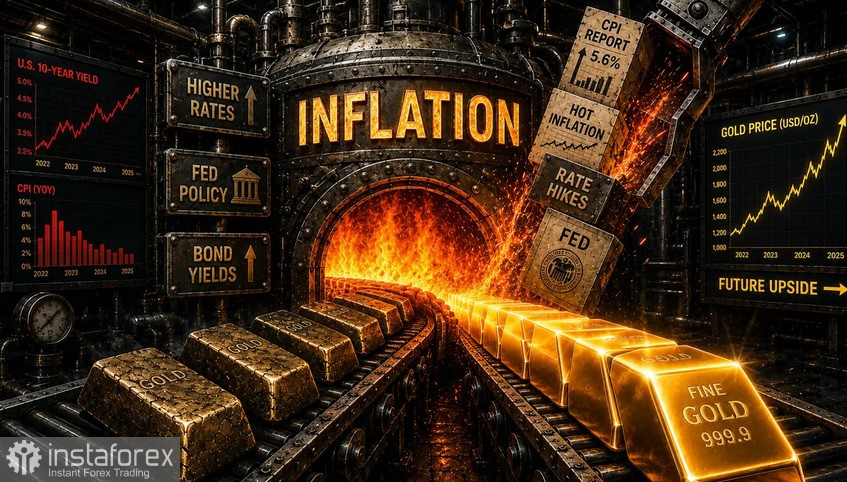
For gold investors, another challenging week has passed: prices have entered a bearish zone. However, beneath this layer of growing pessimism, the macroeconomic situation may change in ways that turn temporary negative factors into long-term opportunities.
The center of uncertainty is inflation. Usually, rising inflation should support demand for gold, as investors seek to protect their purchasing power. However, inflation is currently pressuring price levels as markets adapt to tighter interest-rate forecasts—rates that will keep the Federal Reserve in a cautious mode and block cash inflows for a longer period.
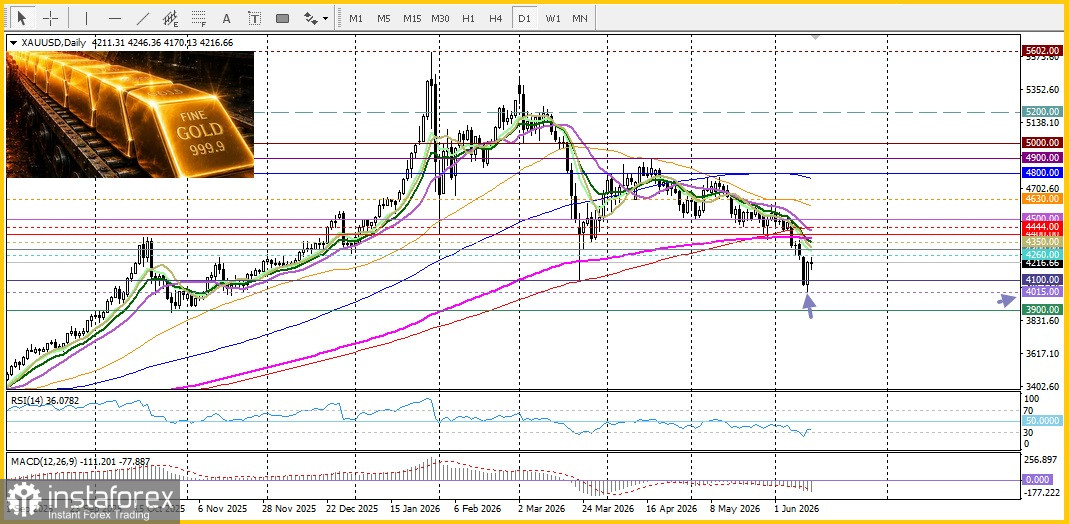
This shift has brought gold to a key support level of around $4,015 per ounce. And although this level is still holding, demand for purchases remains subdued. Strong employment data and steady inflation bolster confidence that the Federal Reserve will maintain its hawkish stance, raising the opportunity cost of holding non-yielding assets.
At the same time, the focus on nominal interest rates distracts from a more important aspect. Analysts are beginning to advise investors to concentrate on real yields.
When accounting for inflation, the relationships between assets change. If inflation rises faster than interest rates, real yields become less attractive. This, in turn, reduces interest in treasury bonds and generally creates a stronger base for gold. Even if interest rates rise, accelerating inflation may lead to negative real yields—historically, this has been a favorable environment for precious metals.
This dynamic is becoming increasingly significant. The Fed may raise interest rates this year, but it is unlikely to lead to a turning point in the fight against inflation.
The US is facing a rising budget deficit, a rising national debt, and persistently high inflationary pressures. Policymakers face a tough choice: aggressive rate hikes may stifle an economy already pushed into a debt trap, while allowing inflation to rise risks undermining confidence in fiat currencies.
Gold typically performs better when such a compromise becomes inevitable.
However, none of this means an immediate recovery. The momentum is currently weak, and the market's inability to rise significantly above the round level of $4,000 suggests that investors are awaiting clearer signals on inflation, policy direction, and economic growth.
But the longer this situation persists, the more likely changes are.
Today, inflationary pressures are weighing on gold, raising expectations for interest rates. However, if it continues to outpace those rates, real yields will eventually decrease—and that's when the scenario may change.
For now, the main issue lies with inflation. In the future, it may become the driving force behind changes.
*The market analysis posted here is meant to increase your awareness, but not to give instructions to make a trade.
InstaSpot analytical reviews will make you fully aware of market trends! Being an InstaSpot client, you are provided with a large number of free services for efficient trading.


