डॉलर को सप्ताह की शुरुआत में मुद्रा बाजार में भारी दबाव का सामना करना पड़ा, और केवल जापानी येन ने अनुकूल परिस्थितियों का फायदा नहीं उठाया, क्योंकि यह घरेलू कारणों के चलते भी गिर गया।
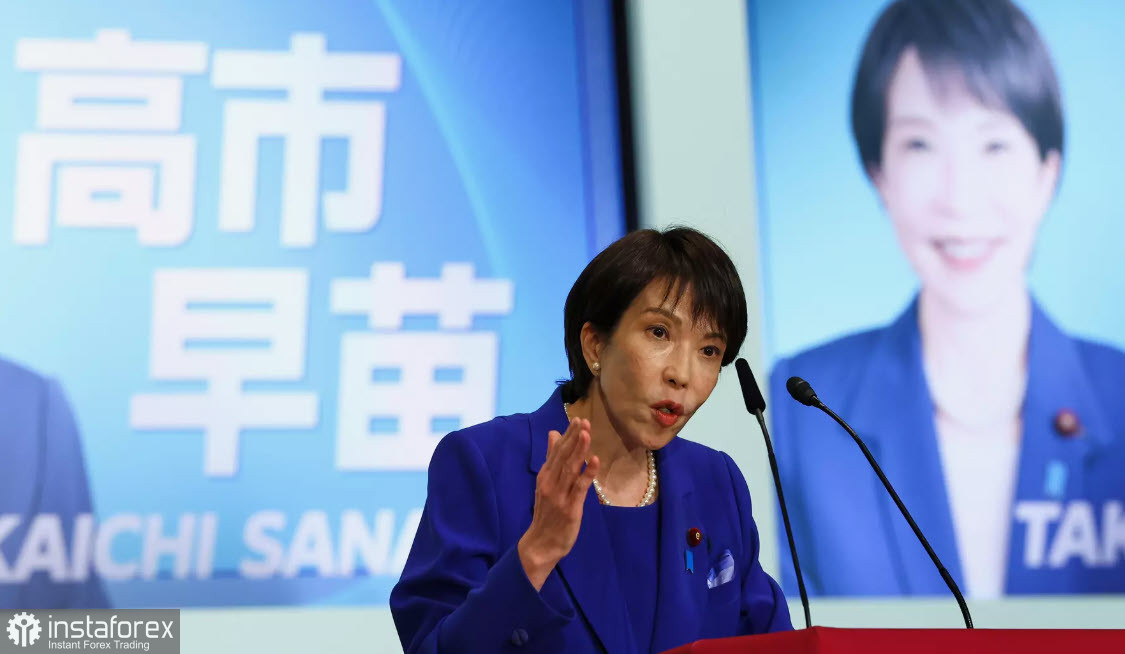
प्रधानमंत्री ताकाइची ने सोमवार को जल्दी चुनावों की घोषणा की और राजकोषीय नीति को आसान बनाने के लिए कई उपायों की पेशकश करने का वादा किया। सबसे बड़ा झटका दीर्घकालिक जापानी सरकारी बांडों को लगा, जिसमें 20 साल के जापानी सरकारी बांडों की उपज 20 जनवरी को 1997 के बाद अपने उच्चतम स्तर तक पहुँच गई, जबकि 30 साल और 40 साल के बांडों की उपज रिकॉर्ड उच्चतम स्तर तक पहुँच गई।
येन यूरो और स्विस फ्रैंक के मुकाबले रिकॉर्ड निचले स्तर तक गिर गया।
![Exchange Rates 23.01.2026 analysis]()
ताकाइची के फैसलों के परिणामों को किसी भी अन्य तरीके से चौंकाने वाला नहीं कहा जा सकता। संसद के निचले सदन को भंग करने का निर्णय जाहिर तौर पर ताकाइची के विश्वास से जुड़ा है कि वह नए चुनावों में जीतेंगी। संसद पर नियंत्रण आवश्यक है ताकि राजकोषीय नीति में परिवर्तन के लिए योजनाबद्ध कदमों को तेज़ी से लागू किया जा सके, विशेष रूप से खाद्य पदार्थों को उपभोग कर से दो वर्षों के लिए छूट देने का इरादा। इस तरह के कदम के परिणाम विशाल होंगे—वार्षिक कर राजस्व लगभग 5 ट्रिलियन येन घट जाएगा, जो "अस्थायी" गैसोलीन और डीजल ईंधन करों को रद्द करने (लगभग 1.5 ट्रिलियन येन) या न्यूनतम कर योग्य वार्षिक आय को बढ़ाने के प्रभावों से कहीं अधिक है। यह बांड बाजार के पतन का एक कारण है; बजट में ऐसे महत्वपूर्ण राजस्व प्रवाह की कमी के कारण और अधिक उधारी की आवश्यकता होगी और इसके बाद सार्वजनिक कर्ज में वृद्धि होगी।
मुद्रास्फीति को नियंत्रित करने के लिए, यह कदम सकारात्मक है; इससे मूल्य वृद्धि धीमी होगी, और परिवारों के लिए इसका मतलब खर्चों में कमी होगी, जो भी सकारात्मक है। पहले वर्ष में जीडीपी में 0.4% की वृद्धि की उम्मीद भी की जा रही है।
बैंक ऑफ जापान शुक्रवार को अपनी मौद्रिक नीति पर निर्णय की घोषणा करेगा, लेकिन जनवरी की बैठक में ब्याज दरें बढ़ाने के बाद, किसी बदलाव की उम्मीद नहीं है।
इसके बजाय, ध्यान मौद्रिक नीति को और कड़ा करने के पैमाने और गति को संप्रेषित करने पर होगा, जिसमें कमजोर येन और राजनीतिक अनिश्चितता के बढ़ने से मुद्रास्फीति जोखिमों में वृद्धि के कारण कड़ा रुख अपनाने की संभावना है।
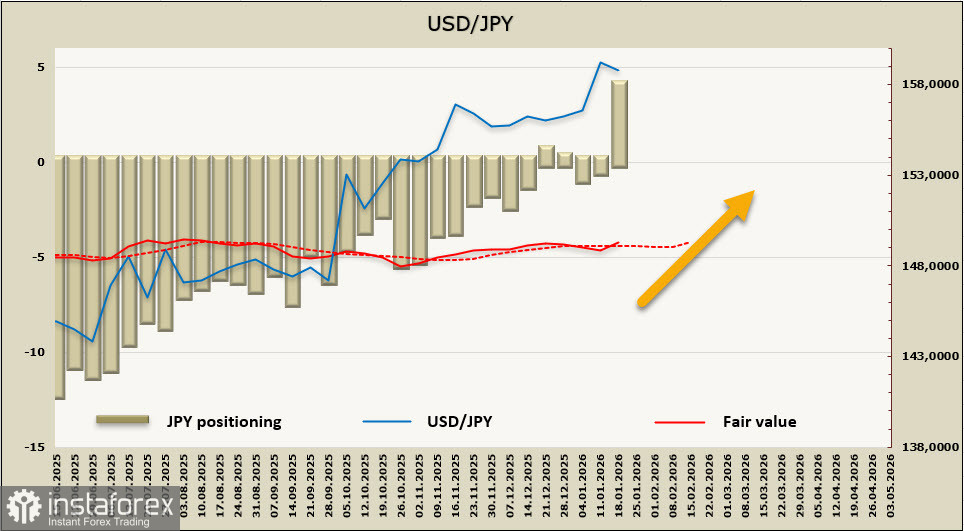
सट्टेबाज निवेशकों ने सक्रिय रूप से येन फ्यूचर्स बेचे, जिसमें साप्ताहिक बदलाव -4.3 बिलियन था; कई महीनों में पहली बार, येन पर नेट शॉर्ट पोजीशन 3.6 बिलियन पर बन गई।
![Exchange Rates 23.01.2026 analysis]()
एक सप्ताह पहले, हमें येन को मजबूत होने की अच्छी संभावना दिखाई दी थी; हालांकि, "ताकाइची फैक्टर" ने सब कुछ उलट दिया। बाजार मानते हैं कि प्रधानमंत्री द्वारा outlined किए गए उपाय न केवल बजट में गड्ढा बढ़ाते हैं, जो येन के मूल्य को घटाने के लिए किए गए कदमों के समान हैं, बल्कि मुद्रास्फीति पर संभावित दबाव भी डालते हैं, और इसलिए ब्याज दरों में और वृद्धि की भविष्यवाणियों पर भी प्रभाव डालते हैं। असल में, अब बाजार को अपनी दर की भविष्यवाणियों को फिर से संशोधित करने की आवश्यकता है।
8 फरवरी को चुनावों के परिणामों तक, येन शायद कमजोर डॉलर के बावजूद भी मजबूत होना शुरू नहीं कर पाएगा। सबसे संभावित परिदृश्य है कि यह नए इनपुट्स के इंतजार में धीरे-धीरे 161.96 के अधिकतम तक पहुंचने का अनुमान है। वस्तुतः, न तो कैबिनेट और न ही बैंक ऑफ जापान येन की और कमजोरी में दिलचस्पी रखते हैं, लेकिन उन्हें चुनाव परिणामों और राजकोषीय प्रोत्साहन के लागू होने का इंतजार करना पड़ेगा।
Benefit from analysts’ recommendations right now
Top up trading account
Open trading account
InstaSpot analytical reviews will make you fully aware of market trends! Being an InstaSpot client, you are provided with a large number of free services for efficient trading.