




Náš tým má více než 7 000 000 obchodníků!
Každý den spolupracujeme na zlepšení obchodování. Realizujeme pro vás vysoké zisky a jdeme dále.
Uznání miliony obchodníků po celém světě je nejlepší ocenění naší práce! Vybrali jste si a my uděláme vše, co je potřeba, abychom splnili vaše očekávání!
Jsme spolu skvělý tým!
InstaSpot. Hrdě pracujeme pro vás!





Herec, šampion turnaje UFC 6 a opravdový hrdina!
Muž, který vyhrává. Muž, který jde po cestě
Tajemství úspěchu Taktarova je neustálý pohyb směrem k cíli.
Zjistěte všechny výhody vašeho talentu!
Objevovat, zkoušet i prohrávat - ale nevzdávat se!
InstaSpot. Váš příběh o úspěchu začíná zde!

To understand where gold is headed, just look at its reaction to news from the Middle East. In March, the precious metal fell on fears of rising inflation and mass monetary tightening. In April, it regained its footing in hopes that the geopolitical conflict would end. At the end of the second decade of May, the pattern repeated itself, albeit on a smaller scale.
Gold plunged on rumors that the peace plans presented by Iran and the US satisfied neither side. Donald Trump warned that the clock is ticking, that Tehran has less and less time and must act—or the country will be wiped off the face of the earth. Yet the next day, the White House chief postponed the allegedly planned strikes at the request of mediators—Qatar, Saudi Arabia, and the UAE—who, it was said, are trying to find common ground with the Islamic Republic. XAU/USD went up.
Treasury yields and the Fed rate dynamics
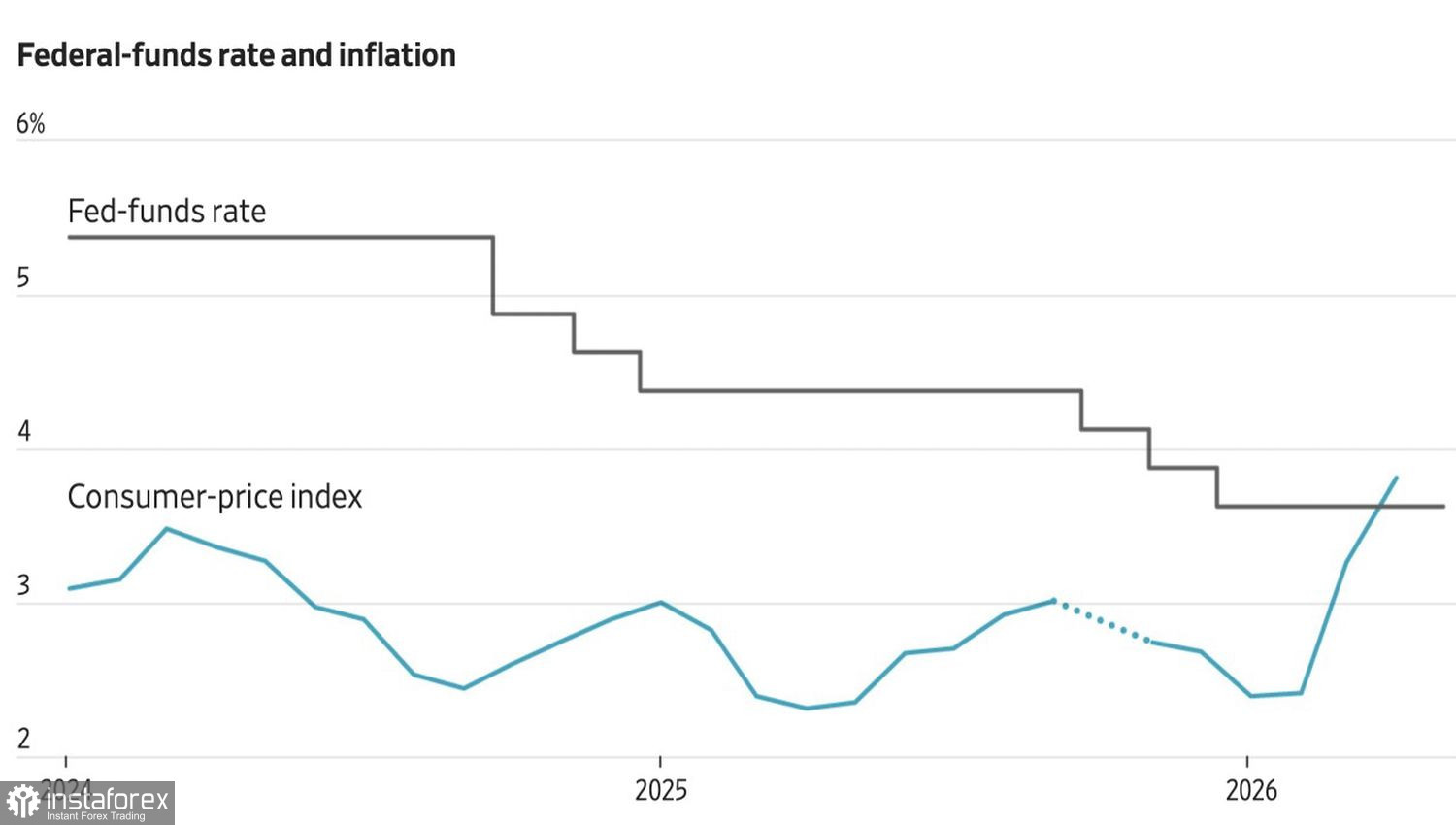
Thus, a deadlock in Washington?Tehran relations is perceived by investors as a bearish factor for XAU/USD, while de?escalation is bullish. This affects oil prices, inflation, the federal funds rate and Treasury yields. A rise in these indicators is clearly negative for gold. In this respect, expectations of Fed monetary restriction in 2026 are naturally putting pressure on it.
However, the Federal Reserve also tightened policy in 2022, and that did not prevent the precious metal from rising. What's the difference? Four years ago, amid the armed conflict in Ukraine, Russia's gold and foreign exchange reserves were frozen. That became a catalyst for dedollarization and diversification. Central banks bought bullion like hotcakes, which supported XAU/USD.
Goldman Sachs believes that regulators' appetite for the physical asset will grow. If central banks on average bought 50 tonnes a month during the last year ending in March, that figure is expected to rise to 60 tonnes over the next 12 months. That allows the bank to keep its gold forecast at $5,400 per ounce through year?end.
At the same time, Goldman Sachs admits the near?term outlook for the metal is less rosy than the longer?term one. During sell?offs in equity and bond markets, gold is used as a source of liquidity—investors sell gold to meet exchange margin requirements.
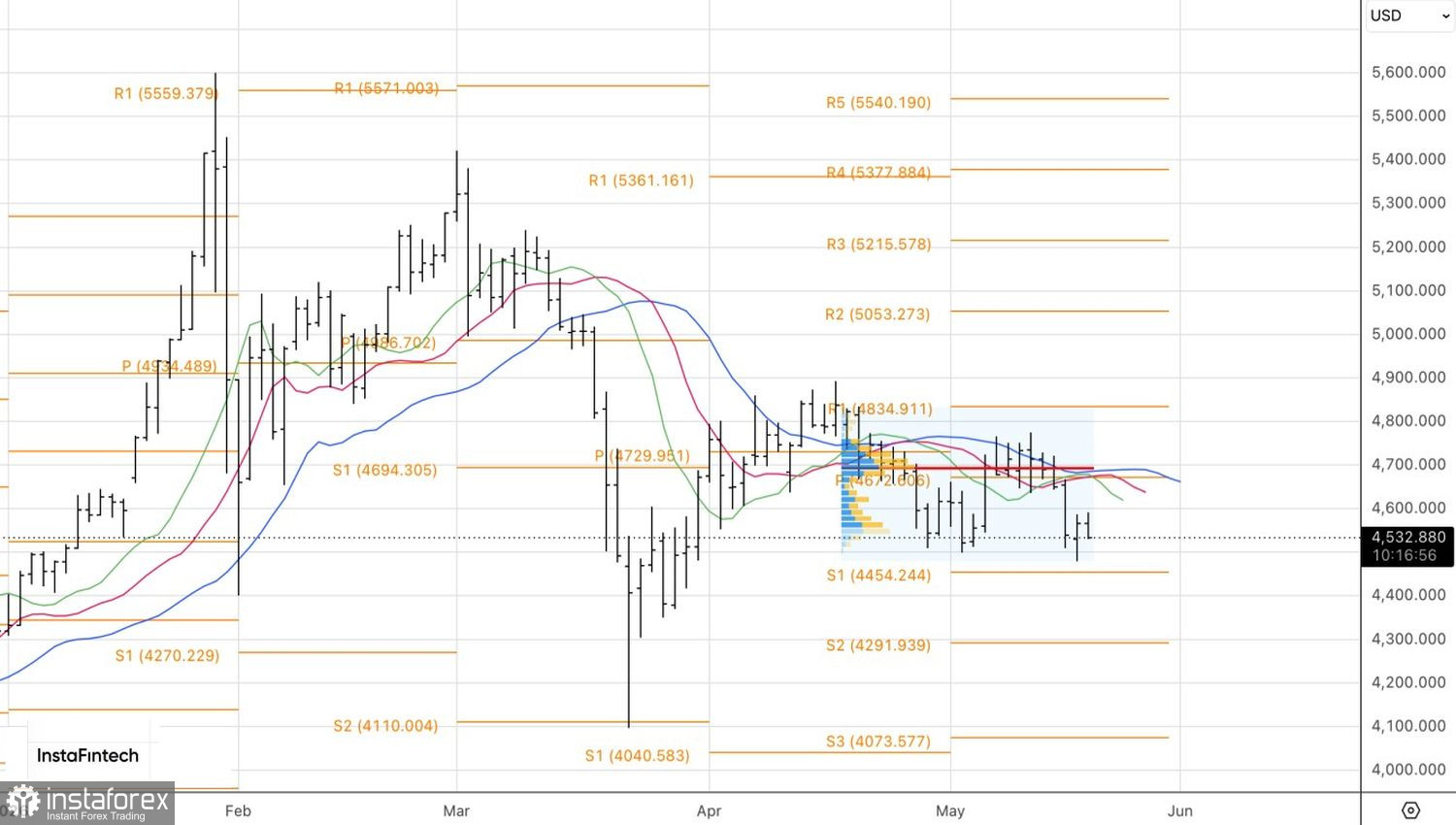
Undoubtedly, de?escalation in the Middle East would flip the situation 180 degrees. But so long as the Strait of Hormuz remains closed, oil will keep rising — and with it the US dollar and Treasury yields.
Technically, a Double Bottom pattern may be forming on the daily gold chart. Therefore, a return of prices to a fair value of $4,690 per ounce would be a buying opportunity. Until that happens, it makes sense to stick to a selling strategy for the precious metal.
*Účelem zde zveřejněné analýzy trhu je zvýšení vašeho povědomí, nikoli dávání pokynů k obchodování.
Díky analytickým přehledům společnosti InstaSpot získáte plné povědomi o tržních trendech! Jako zákazníkovi společnosti InstaSpot je Vám k dispozici velký počet bezplatných služeb umožňujících efektivní obchodování.


